Dr. Yang’s AI Series #57: Why does GPT cling to previous context more than new requests?
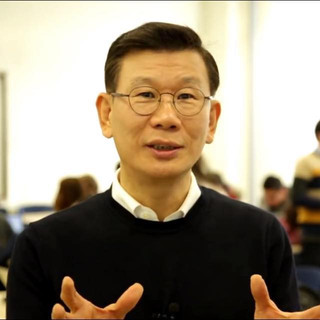
Ever had this moment when using GPT?“Why does it keep going back to what we were talking about earlier?”
In Dr. Yang’s AI Series #57, this question gets a clear answer:“Why does GPT cling to previous context more than new requests?”
The reason is simpler than it seems.
GPT doesn’t see conversations as separate pieces—it sees them as one continuous flow.
So even when a new request comes in, it feels pressure to connect it to what was already discussed.
It also determines the user’s “true intent” based on: ✔ Repeated points
✔ Detailed explanations
✔ Logically connected ideas
As a result, GPT tends to trust accumulated context more than the latest request.
One more important factor:GPT treats text conversations as stronger signals than files.Files are considered “weaker signals” because:
It’s unclear what parts matter most
Content can be long and easy to miss details
They’re not always the core request
So in practice:
👉 Short new request vs. long repeated context→ GPT follows the existing context
And here’s a key limitation:
GPT does not automatically recognize topic changes. If it’s not explicitly stated, it keeps going in the same direction.
💡 One practical tip you can use immediately
“Please ignore previous context and base your response only on this file.”
That one sentence can completely reset how GPT interprets your request.
The difference between effective and ineffective AI usage often comes down tohow well the prompt is “reset.”
Watch the video to see the difference in action.


Comments