Mark Cuban on AI: Unlocking Opportunities for Kids in the AI Era — What Parents Must Prioritize
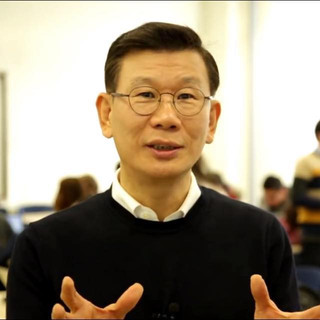
By Dr. Phil Yang, MAILab CEO

As CEO of MAILab — where we pioneer Vision AI that sees, learns, and empowers through our proprietary i2Brain Engine — and as a parent myself, I’m deeply invested in how artificial intelligence is reshaping the future for our children. Today, I want to share insights from billionaire entrepreneur and Dallas Mavericks owner Mark Cuban on the transformative role of AI. His recent comments highlight the extraordinary opportunities it creates for kids, while reminding us of the essential responsibilities parents must shoulder. When guided thoughtfully, AI doesn’t just keep pace with progress — it propels our children ahead.
Who Is Mark Cuban, and Why His Perspective Matters
Mark Cuban is a self-made billionaire, astute investor, and forward-thinking tech leader. He built his fortune through groundbreaking ventures like Broadcast.com (sold to Yahoo for billions) and has consistently stayed ahead of major technological waves. As owner of the NBA’s Dallas Mavericks, he’s proven adept at spotting trends that define winners.
Cuban views AI as a powerful equalizer, especially for the next generation. At MAILab, we’ve seen how voices like his influence the trajectory of AI in areas like healthcare, logistics, and urban infrastructure, and his outlook aligns closely with the intelligent, adaptive systems we’re developing.
The Transformative Power of AI: Why Tech-Savvy Kids Will Lead Tomorrow
Cuban cuts to the core: “AI enables students to produce better outcomes.” In today’s world, AI fluency isn’t a nice-to-have — it’s the core competency that will separate future leaders from the pack.
Our work at MAILab centers on Vision AI frameworks that supercharge insight and efficiency, and I wholeheartedly agree. When children grow comfortable with advanced AI, they become the exact talent that forward-looking companies desperately seek. Imagine a young student using AI to rapidly brainstorm ideas, dissect complex data, or prototype innovations — amplifying their natural abilities rather than replacing them.
Cuban forecasts that AI-proficient kids will naturally rise into leadership roles. From my years guiding AI initiatives across medicine, beauty, logistics, and urban solutions, I’ve watched emerging talents elevate routine assignments into breakthrough work. Best of all, AI democratizes access to elite-level skills, giving every child a genuine shot at excellence.
The Risks of AI: Key Warnings and Practical Parental Guidance
We can’t ignore the challenges. While Cuban emphasizes the upside, those of us deeply immersed in the field — like myself — regularly confront the potential downsides. Over-dependence on AI can dull independent thinking, as kids shortcut the hard mental work of genuine problem-solving. AI outputs are far from perfect: prone to errors, biases, and outright misinformation. And when assignments are fully outsourced to algorithms, the rich process of learning gets hollowed out.
This is where parents become the crucial safeguard. Here’s my straightforward, battle-tested checklist drawn from AI literacy best practices:
Position AI as a Thought Expander — Encourage its use for sparking ideas or refining work, never as a full substitute. Teach children to start with their own thinking and layer AI on top.
Set Firm, Structured Boundaries — Limit usage to goal-oriented sessions to prevent mindless overuse and foster healthy habits.
Make Co-Review a Habit — Regularly examine AI outputs together. Ask probing questions: “Does this hold up? What might be missing or biased?” This builds sharp judgment.
Proactively Manage Privacy and Addiction Risks — Teach safe data practices, monitor for signs of over-reliance, and balance screen time with real-world engagement.
At MAILab, we bake scalable intelligence into our platforms for real-world applications, but the strongest foundation is built at home.
Cuban’s Standout Insight: Real Opportunities Lie in Smaller Companies
One of Cuban’s sharpest observations? Don’t fixate on Big Tech — small and medium-sized businesses (SMBs) are the ones starving for AI-savvy talent right now. Without massive R&D budgets, these agile organizations need versatile people who can implement AI solutions quickly and effectively.
For students, this translates into exciting, accessible career paths in dynamic environments where real innovation happens fast. Through MAILab’s work powering logistics and urban AI infrastructure, I’ve seen young professionals thrive in exactly these settings. AI mastery isn’t reserved for Silicon Valley giants — it’s a universal key to meaningful, varied opportunities.
Final Thoughts: Embrace AI with Intention and Responsibility
AI opens vast new horizons for our children: heightened creativity, accelerated learning, and career paths we can barely imagine today. As Cuban illuminates — and my experience in the field reinforces — the difference-maker is how intentionally we approach it. Technology must remain a tool in our hands, never the master.
Our collective task as parents and educators is to cultivate thoughtful AI literacy, turning potential pitfalls into lasting strengths. If you’re navigating this journey with your family, I invite you to explore MAILab’s Vision AI frameworks and solutions — we’re here to help drive progress.
Thank you for reading. Let’s raise a generation that doesn’t just adapt to AI, but confidently shapes it.
Dr. Phil Yang is CEO of MAILab, leading the development of Vision AI solutions that empower healthcare, logistics, and urban infrastructure.


Comments